The Strategic Importance of Rare Earth Elements

In the 21st century, rare earth elements (REEs) have emerged as indispensable components in the manufacture of high-tech products, renewable energy solutions, and defence technologies.

These elements, encompassing a group of 17 metals, are integral to the production of everything from smartphones and electric vehicles to wind turbines and advanced military systems.

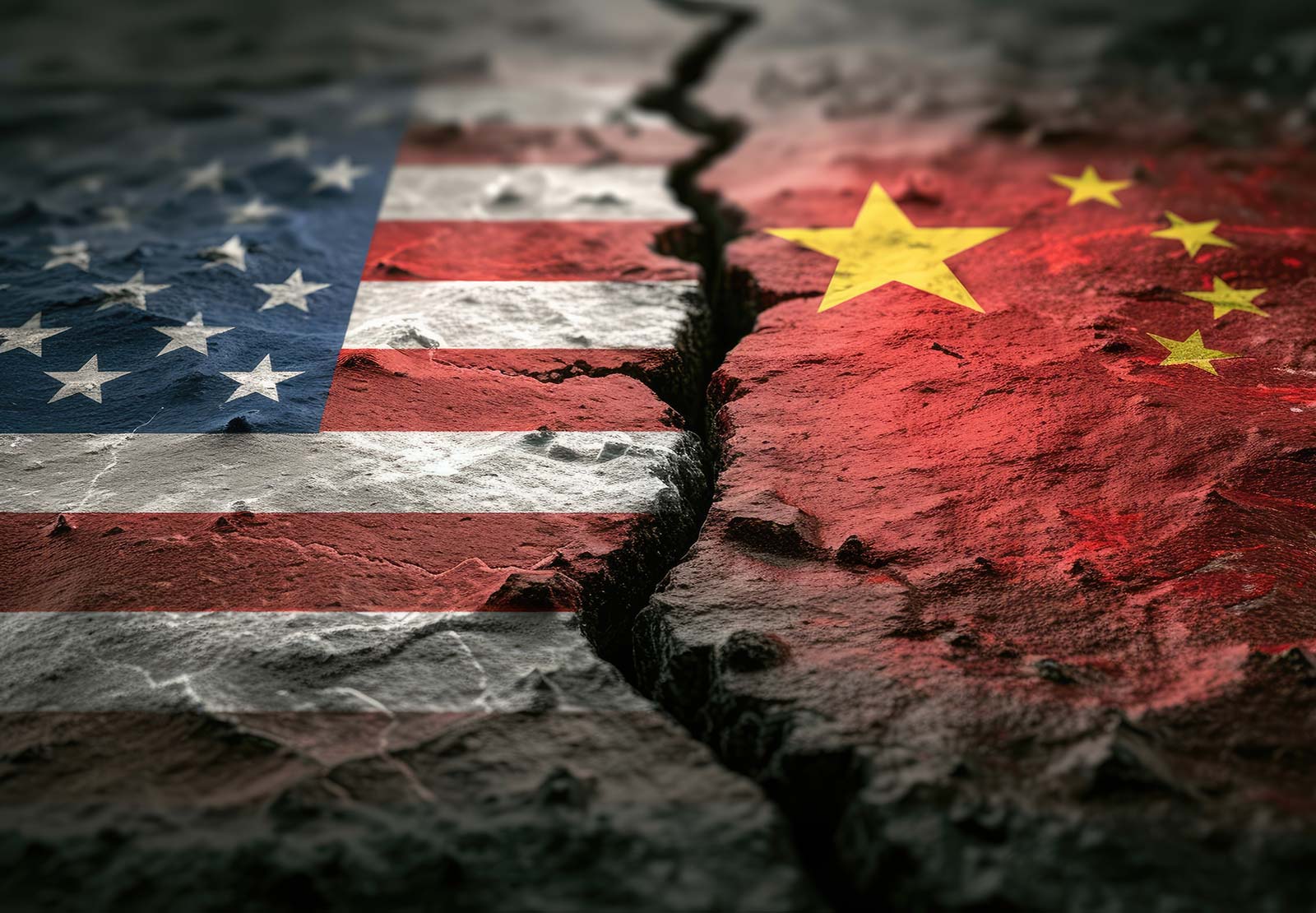
However, the global supply chain for these critical materials is heavily skewed towards China, which controls a significant portion of the world’s rare earth production and processing capabilities.

This monopolistic grip has prompted Western governments, particularly the United States, to urgently seek diversification of their rare earth sources to ensure national security and economic stability.

ev-rare-earth

Nutrients of Technology

Rare earth elements are often described as the “vitamins” of modern technology.

Their unique properties make them essential in producing powerful magnets, phosphors, and catalysts.

For instance, neodymium and dysprosium are crucial for the strong permanent magnets used in electric vehicle motors and wind turbine generators.

Europium and terbium are key in creating vibrant displays for screens, while lanthanum is vital for battery production in hybrid vehicles.

Clear & Present Danager

In the defence industry, Rare Earth Elements (REEs) are used in jet engines, missile guidance systems, and satellite communications.

The dependence of advanced military hardware on these elements underscores their strategic importance.

A disruption in the supply of rare earths could have severe implications for national security, rendering advanced weapons systems inoperative and compromising defence capabilities.

rare-earth-elements-high-tech-products
usa-china1300

The Risks of Dependence on China

China’s dominance in the rare earth market is a result of decades of strategic investment in mining, refining, and technological development.

Currently, China accounts for about 80% of the world’s rare earth production and has a near-monopoly on processing capacity. This dominance allows China to wield significant influence over global supply and pricing.

The risks associated with this dependence became starkly evident during the U.S.-China trade tensions, where the Chinese government hinted at restricting rare earth exports as a retaliatory measure. Such potential supply disruptions pose significant risks not only to the United States but also to other Western nations that rely on these elements for critical industries.

The U.S. Response: Diversification & Allied Collaboration

Recognising the strategic vulnerability, the U.S. government has embarked on a multi-faceted approach to secure reliable and independent sources of rare earth elements.

This strategy includes domestic initiatives to revive and expand rare earth mining and processing capabilities within the United States.

However, the complexity and environmental challenges associated with rare earth extraction and processing mean that building a robust domestic supply chain will take time.

In the interim, the U.S. is looking beyond its borders, particularly towards allied nations rich in rare earth resources.

Australia stands out as a key partner in this endeavour. With its significant rare earth reserves and stable political environment, Australia is well-positioned to become a major supplier of these critical materials.

USA-AUST-MAP-GRUNDGE1300
promotional image for Rare earths mining project
arkmines-logo

Broader Implications and Future Outlook

Diversifying the rare earth supply chain is not just about mitigating risks associated with Chinese dominance.

It also aligns with broader geopolitical and economic goals. Ensuring a stable supply of rare earth elements supports the transition to renewable energy sources, as these materials are crucial for wind turbines and electric vehicles.

It also bolsters the manufacturing of high-tech products, contributing to economic growth and technological innovation.

Furthermore, the strategic partnerships formed through these initiatives strengthen alliances and foster international cooperation.

By working together, the U.S. and its allies can build resilient supply chains that are less susceptible to geopolitical tensions and market fluctuations.

The Geopolitical Environment Factor

The imperative to secure reliable and independent supplies of rare earth elements has never been more urgent for Western governments.

The U.S., in particular, is actively seeking to diversify its sources to mitigate the risks associated with heavy reliance on China.

Through domestic initiatives and strategic investments in allied countries like Australia, the U.S. aims to build a robust and resilient supply chain for these critical materials.

The success of these efforts will not only enhance national security but also drive technological advancements and support the global transition to a greener economy.

Sandy Mitchell has progressed substantially since Ark first began defining the project. The September 2026 JORC (2012) Mineral Resource Estimate now stands at 379.4 million tonnes @ 5,430 ppm MzEq, with 97% of estimated tonnage classified as Measured or Indicated.

With its Mining Licence granted, Queensland Government-backed QIC investment secured and commercial-grade monazite and titanium products successfully produced through metallurgical testwork, Ark believes Sandy Mitchell has the potential to make a meaningful contribution to the development of more diversified rare earth and critical mineral supply chains.

Ark is continuing to advance metallurgical work, project studies and resource evaluation as it moves Sandy Mitchell toward development.

back button